Leading Tide Gauge System Models and Brands
Explore the World's Most Trusted Tide Gauge Systems
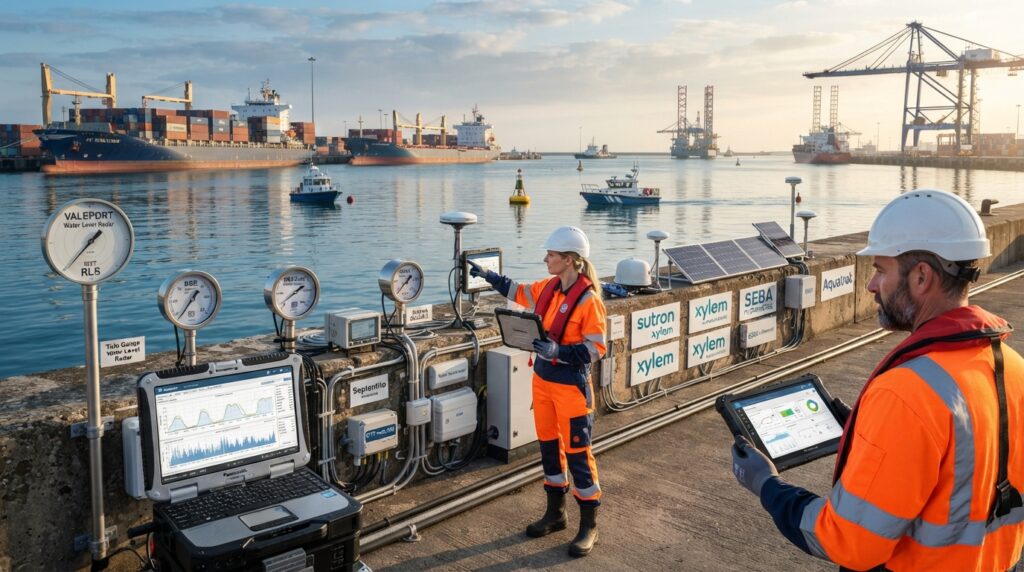
Tide Gauge Systems are used to monitor water levels for hydrographic surveys, port operations, dredging projects, offshore engineering, and coastal monitoring. Different manufacturers offer systems designed for short-term surveys as well as long-term monitoring stations.
Introduction
A Tide Gauge System is one of the most important instruments in hydrographic surveying because accurate water level data is essential for correcting depth measurements.
Modern Tide Gauge Systems are available in different technologies, including radar, pressure, bubbler, and float-based systems. The right choice depends on the survey location, environmental conditions, required accuracy, and project duration.
What Should You Consider Before Choosing a Tide Gauge System?
Before selecting a Tide Gauge System, consider the measuring technology, accuracy, recording interval, communication options, power requirements, environmental conditions, software compatibility, and maintenance needs.
Also check whether spare parts, calibration services, and technical support are available in your region.
Valeport
Valeport is one of the world’s leading manufacturers of hydrographic and oceanographic instruments. Their Tide Gauge Systems are widely used in ports, coastal monitoring stations, offshore projects, and hydrographic surveys.
Popular Models
- TideMaster
- TideMaster Portable
- Radar Tide Gauge
Best For
- Hydrographic Surveys
- Port Development
- Dredging Projects
- Coastal Monitoring
OTT Hydromet
OTT Hydromet develops professional water level monitoring systems used worldwide for hydrology, flood monitoring, and marine applications.
Popular Models
- OTT RLS Radar Level Sensor
- OTT SE 200
Best For
- Water Level Monitoring
- River Monitoring
- Flood Warning
- Coastal Projects
Sutron
Sutron manufactures environmental monitoring equipment for long-term water level observation and remote data collection.
Popular Models
- Satlink3 Logger
- Xpert Data Logger
Best For
- Remote Monitoring
- Tide Stations
- Environmental Projects
- Scientific Research
Xylem
Xylem provides advanced monitoring solutions for marine, environmental, and infrastructure projects.
Popular Models
- AquaTROLL Series
- WaterLOG Series
Best For
- Harbour Monitoring
- Water Resources
- Hydrographic Projects
- Environmental Surveys
SEBA Hydrometrie
SEBA Hydrometrie produces reliable water level monitoring equipment for rivers, lakes, reservoirs, and coastal applications.
Popular Models
- Dipper PT
- MDS-5 Data Logger
Best For
- Inland Water Monitoring
- Reservoir Surveys
- River Projects
- Hydrological Studies
RBR
RBR designs high-accuracy pressure sensors and tide gauges used in oceanographic research and hydrographic surveys.
Popular Models
- RBRsolo³ D
- RBRduet³ D
Best For
- Ocean Research
- Offshore Surveys
- Scientific Monitoring
- Marine Engineering
Aquatrak
Aquatrak manufactures non-contact acoustic Tide Gauge Systems used for ports, harbours, and navigation projects.
Popular Models
- AquaTrak 4100
- AquaTrak 4200
Best For
- Ports
- Harbours
- Navigation Channels
- Long-Term Tide Stations
How to Choose the Right Tide Gauge System
The best Tide Gauge System depends on your project.
For short hydrographic surveys, a portable Tide Gauge is often the most practical solution because it can be installed and removed quickly.
For permanent monitoring stations, choose a system designed for continuous operation with reliable power, remote communication, and long-term durability.
Always compare accuracy, maintenance requirements, software compatibility, and local technical support before making a final decision.
Conclusion
A reliable Tide Gauge System is essential for accurate hydrographic surveys and water level monitoring. Leading manufacturers provide different solutions for ports, rivers, offshore projects, and long-term coastal monitoring. Selecting the right system helps survey teams produce accurate tidal corrections and dependable survey results.