
Manual Total Station
Reliable Precision for Professional Surveying
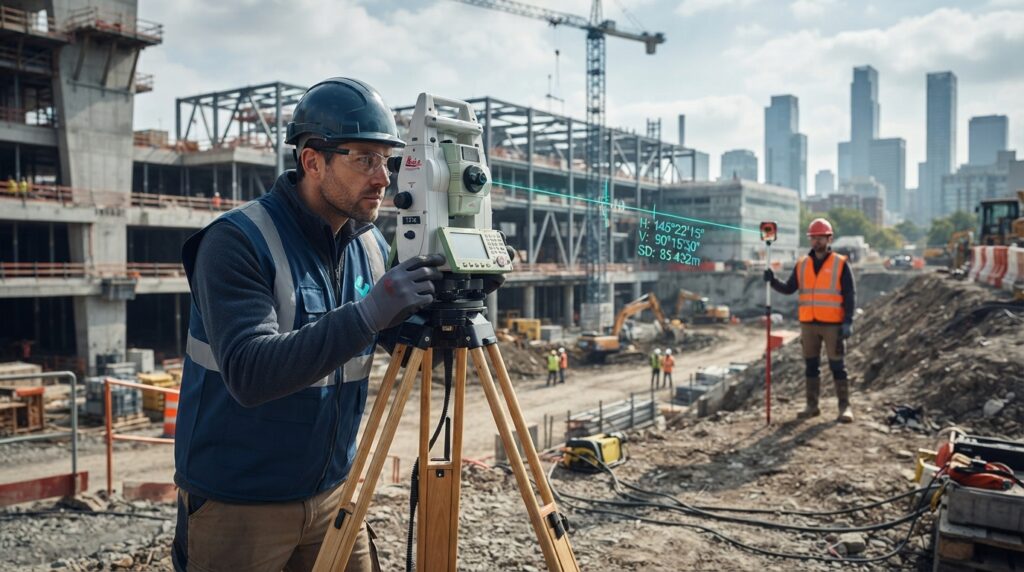
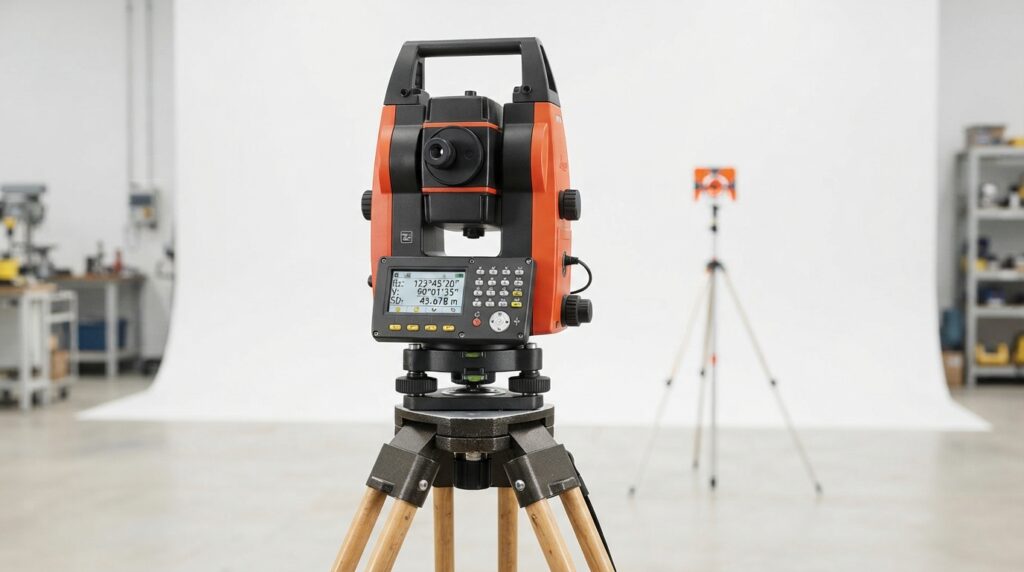
A Manual Total Station is an electronic surveying instrument that measures horizontal angles, vertical angles, distances, and coordinates with high accuracy. Unlike a robotic total station, it requires the surveyor to manually aim the telescope at the prism or target before taking measurements.
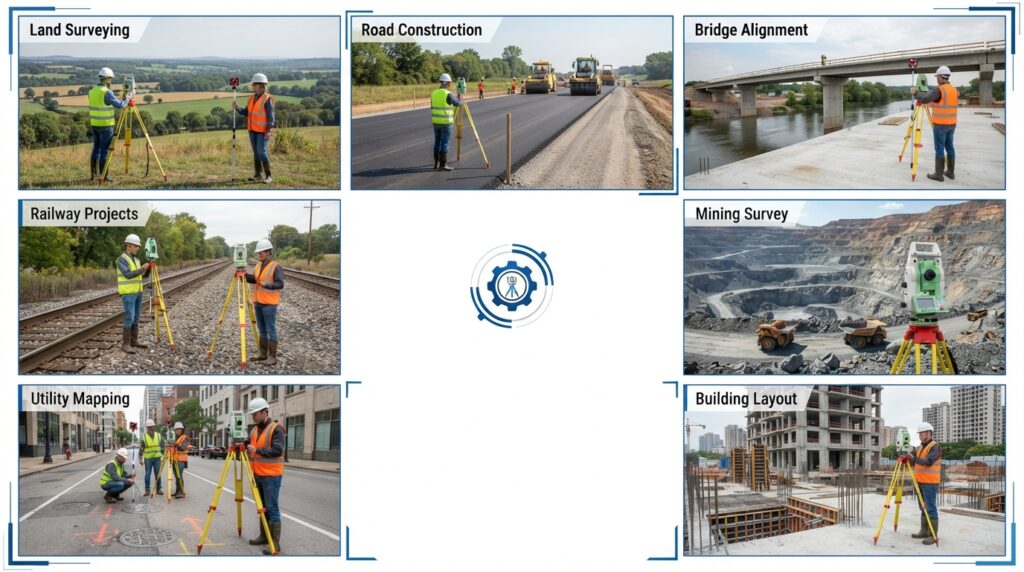
Manual Total Stations are widely used in land surveying, construction layout, road projects, building construction, mining, and infrastructure development due to their reliability, affordability, and ease of use.
Key Features
- Manual Target Alignment
- High-Precision Angle Measurement
- Electronic Distance Measurement (EDM)
- Coordinate Calculation
- Internal Data Storage
- Reflector and Reflectorless Measurement
- Easy Operation
- Durable Weather-Resistant Design
- Long Battery Life
- Compatible with Survey Software
Advantages
- High Accuracy
- Cost-Effective Solution
- Easy to Learn and Operate
- Reliable Performance
- Suitable for Small and Large Survey Projects
- Low Maintenance
- Long Service Life
Conclusion
A Manual Total Station is a dependable and accurate surveying instrument that remains a standard choice for engineers and surveyors worldwide. Its combination of precision, durability, and affordability makes it ideal for a wide range of surveying and construction applications, especially where manual operation is practical and cost efficiency is important.